The conversation around housing has shifted dramatically in recent years. With cities growing denser and housing prices rising faster than wages, the question facing architects, developers, and policymakers isn’t just how to build more homes — but how to build better, more affordable ones. Quality design should never be a privilege reserved for the few; it should be the foundation of every home, regardless of income or location.
This idea lies at the heart of modern urban development. It reflects a growing belief that sustainable, design-conscious homes can coexist with affordability — and that achieving this balance between beauty, function, and accessibility requires both innovative thinking and a willingness to redefine what “affordable housing” can look like.
The Design Challenge of Affordability
Designing affordable housing has long been a balancing act between cost efficiency and quality. Developers face tight budgets, planning restrictions, and growing material costs — all of which can make affordability feel like a compromise. Yet, these very constraints can inspire creativity.
By prioritizing intelligent use of space, material efficiency, and community-oriented planning, it’s possible to create housing that is both attractive and accessible. Compact but thoughtfully designed layouts, attention to natural light, and the inclusion of green spaces can transform modest developments into livable, inspiring places.
Affordability in design doesn’t mean cutting corners. It means designing smartly — considering every square meter, every material, and every system not just in terms of cost, but in how it enhances the comfort and well-being of the people who live there.
Rethinking “Affordable Housing”
The term affordable housing often carries a stigma, evoking images of compromise — uninspired architecture, minimal amenities, and limited community value. But that perception is changing. Around the world, architects and planners are proving that affordability and design excellence can go hand in hand.
When housing is approached as a design challenge rather than simply a financial one, the results are transformative. Good design can elevate even the most cost-conscious developments, creating homes that promote comfort, dignity, and long-term value.
In the United States, for instance, the Section 8 Housing Choice Voucher program helps families find stable homes within their means. Access to well-designed housing is essential to community health and stability, and digital tools now make it easier than ever for families to find suitable living options. Those looking to explore available rentals can search section 8 listings and discover how comfort, design, and accessibility can work together.
Designing with affordability in mind isn’t about luxury — it’s about giving every resident, regardless of income, a home that feels safe, functional, and connected to the surrounding neighborhood.
Building with Sustainability in Mind
Affordability isn’t only about the cost of construction or rent. It’s also about the ongoing expenses of living in a home — heating, cooling, maintenance, and energy use. That’s why sustainability is now central to conversations about affordable housing.
Energy-efficient design, durable materials, and passive environmental strategies can dramatically reduce long-term costs for residents. Features such as proper insulation, efficient windows, natural ventilation, and access to daylight all contribute to lower energy bills and a higher quality of life.
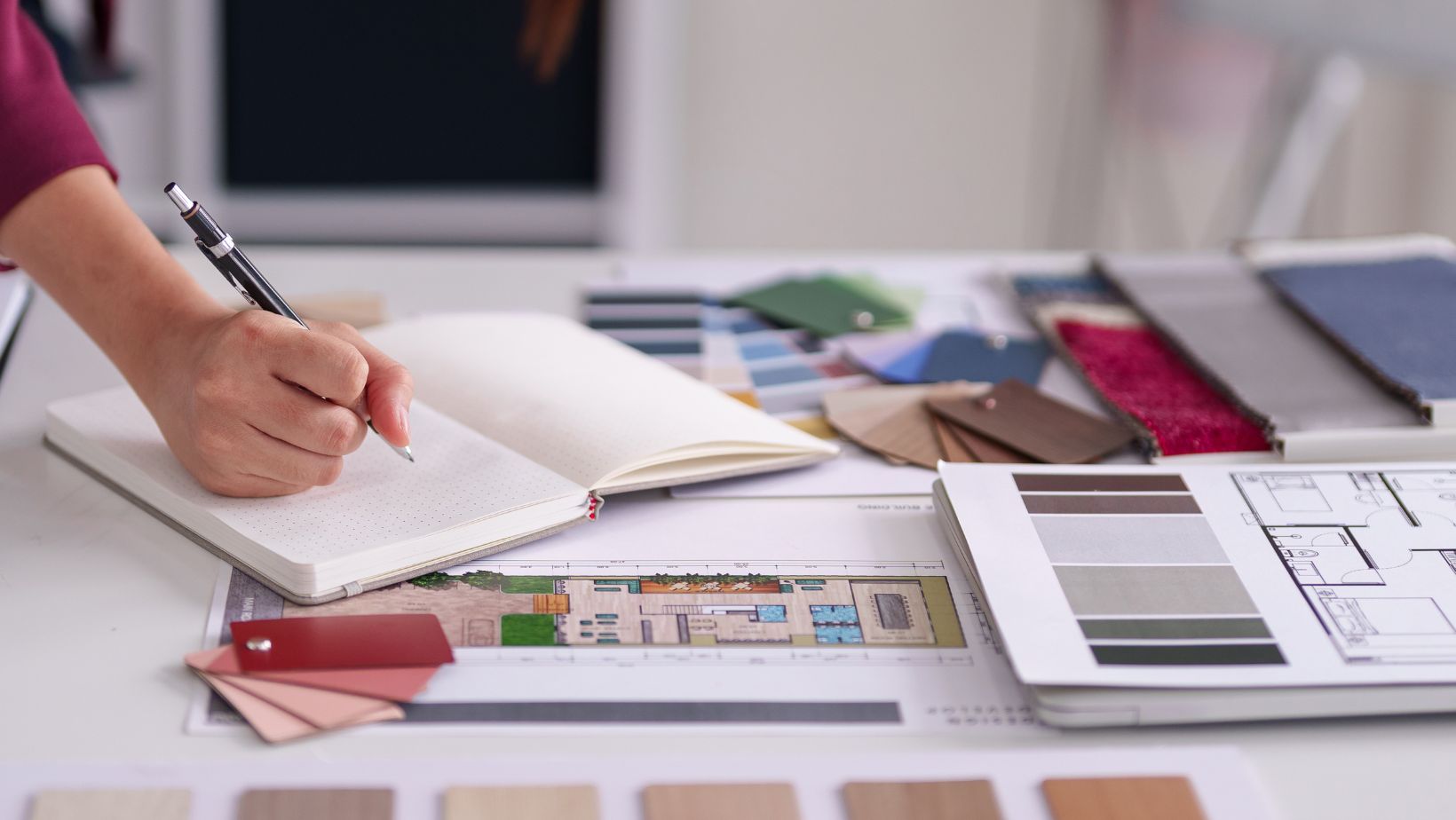
Sustainable design also extends the life of the building itself. Using recycled materials, planning for future adaptability, and minimizing waste in construction create homes that remain viable for decades. In this sense, sustainability and affordability work hand in hand: what’s good for the planet often turns out to be good for the household budget as well.
Affordable housing that integrates sustainable principles doesn’t just meet immediate needs — it lays the groundwork for lasting economic and environmental resilience.
The Human Element: Designing for Dignity and Community
At its core, architecture is about people. Too often, affordable housing has been reduced to a numbers game — how many units can be built, how fast, and at what cost. But when design loses sight of human experience, we risk building structures that meet technical needs but fail to foster connection or belonging.
Thoughtful design considers how residents will interact with their environment and with one another. Shared gardens, safe pathways, accessible play areas, and open courtyards encourage social interaction and strengthen community bonds. Even small design details — window placement, lighting, sightlines — can affect how secure and connected residents feel.
Community-oriented housing doesn’t just improve individual well-being; it contributes to safer, more cohesive neighborhoods. Mixed-tenure developments that integrate affordable and market-rate housing also help reduce segregation and foster diversity. The goal is not only to build homes but to create environments where people want to live, stay, and invest in their surroundings.
Policy and Partnerships: The Framework for Change
No single architect or developer can solve the housing affordability crisis alone. Policy, planning, and financing all play critical roles in enabling quality design for everyone.
Local governments can support this goal by offering incentives such as tax credits for sustainable construction, grants for community housing projects, or expedited approvals for developments that include affordable units. Inclusionary zoning — which requires a portion of new housing to be affordable — has also shown promise in many cities.
Public-private partnerships are particularly effective in scaling design-driven affordable housing. By combining public funding with private-sector efficiency and design expertise, these collaborations can produce housing that meets both economic and social objectives.
Emerging technologies are further changing what’s possible. Modular and prefabricated construction, for instance, allows builders to produce high-quality units more quickly and with less waste. Digital modeling and 3D printing continue to expand the toolkit available to designers striving for both affordability and aesthetic excellence.
Together, these innovations point to a future in which affordability is not an obstacle but a catalyst for better design.
Learning from Global Examples
Cities around the world offer valuable lessons in how to blend affordability with thoughtful design.
In Copenhagen, housing cooperatives emphasize shared spaces, sustainable materials, and community gardens, creating environments that support social cohesion. Vienna’s long-term public housing investments demonstrate how consistent attention to design and livability can make affordable homes an integral part of the urban fabric.
Elsewhere, U.S. cities like Denver, Seattle, and Austin are launching design competitions to generate new ideas for affordable housing. These initiatives encourage architects to rethink traditional models and explore adaptable, human-centered solutions that fit diverse community needs.
Across these examples, one common insight stands out: affordability should not limit creativity. When architects, policymakers, and communities approach the challenge collaboratively, affordable housing becomes a platform for innovation — not a constraint.
A Shared Vision for the Future
Designing quality homes for everyone requires rethinking not just how we build, but why we build. Housing is more than a product of construction; it’s the physical framework of society. When we design homes that prioritize human experience, sustainability, and inclusivity, we create stronger, more resilient communities.
The future of housing depends on our collective ability to view affordability as a design challenge rather than a financial hurdle. By merging thoughtful planning, sustainable practices, and equitable policy, cities can produce housing that uplifts both residents and neighborhoods.
Ultimately, quality design should not be a luxury — it should be a standard. Every individual deserves a safe, beautiful, and functional place to live. Achieving that vision means embracing creativity, prioritizing long-term value, and understanding that good design benefits everyone, not just those who can afford it most.
Final Thoughts
Designing quality homes that everyone can afford isn’t about building more of the same — it’s about reimagining what’s possible when creativity, compassion, and practicality meet. The most successful developments of the future will be those that view affordability not as a compromise, but as an opportunity to make design truly inclusive.
Because when housing serves everyone, communities thrive — and that’s the foundation of a better, more sustainable world.
About Author