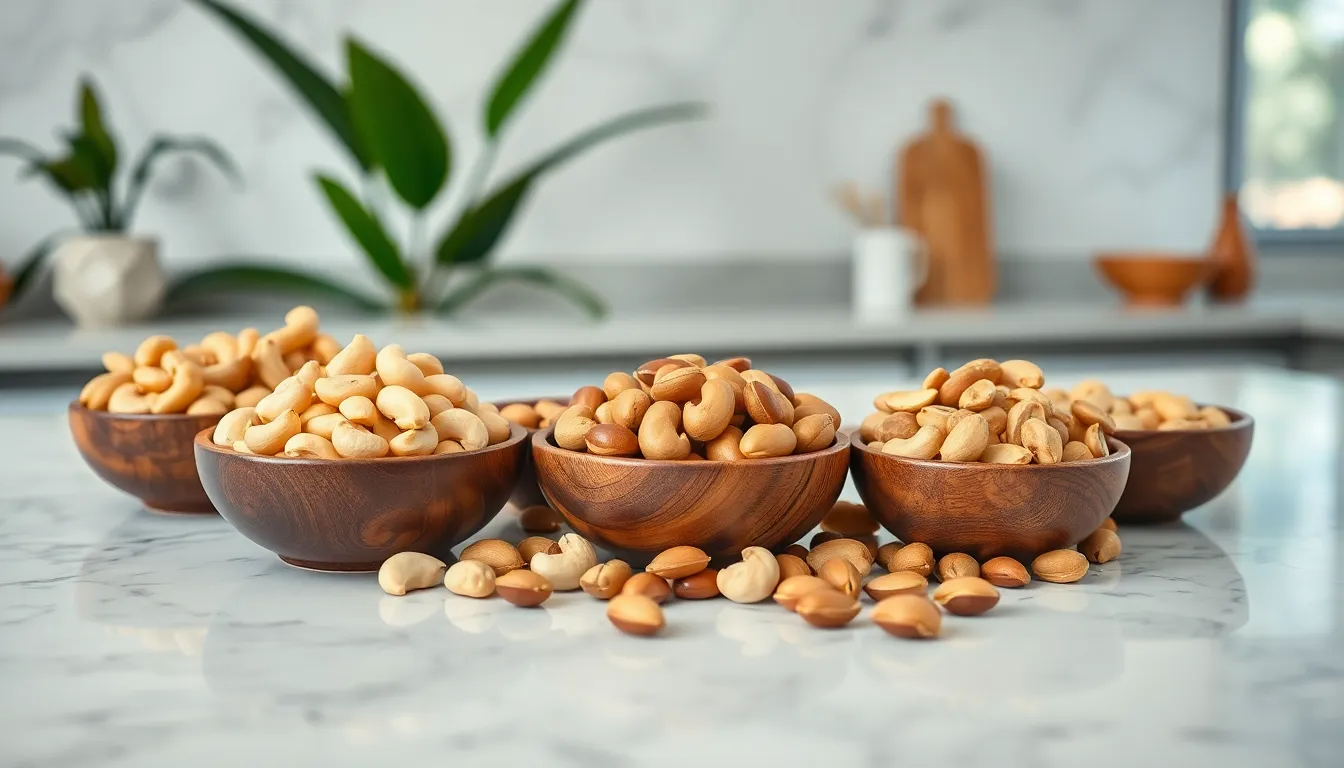
When you think of the Philippines, what comes to mind? Pristine beaches, vibrant cultures, and mouthwatering cuisine, right? But hold on to your tropical hats, because today, we’re diving into the nutty side of this stunning archipelago. From crunching on cashews to feasting on pili nuts, the Philippines is home to an incredible variety of nuts that are not only delectable but also rich in nutrients. Let’s nut your curiosity a little more and explore the wonderful world of Philippine nuts.
Kinds Of Nuts In The Philippines

The Philippines boasts a rich agricultural landscape, providing an excellent environment for various types of nuts. The warm climate and fertile soil contribute to the diverse range of nut species cultivated here. These nuts play significant roles in local cuisines and have become essential in various dishes and snacks. More than just a tasty treat, they offer nutritional benefits that keep Filipinos coming back for more. In this exploration, readers will discover the most popular nuts grown across the islands, their culinary uses, health benefits, and even the challenges faced in nut cultivation.
Popular Nuts Grown In The Philippines
1. Cashew Nuts
Cashew nuts are perhaps one of the most beloved nuts in the Philippines. Grown primarily in the regions of Zamboanga and Mindanao, these nuts are harvested from the cashew apple. The nut itself is often enjoyed roasted or salted, making it a favorite snack among locals and tourists alike. Beyond that, the cashew apple is also transformed into juices and jams, showcasing its versatility.
2. Macadamia Nuts
While not indigenous to the Philippines, macadamia nuts have gained popularity and are now cultivated in regions with cooler climates, such as the highlands of Bukidnon. These rich, buttery nuts are often used in desserts but also shine in savory dishes. Their unique flavor profile elevates any meal, making them a sought-after ingredient.
3. Pili Nuts
Pili nuts are a true treasure in the Philippine nut scene. These small, oval nuts are native to the region and are primarily grown in the Bicol region. Their buttery taste and high oil content make them perfect for various culinary applications, from snacks to toppings. The health benefits they offer, coupled with their unique flavor, make them a must-try.
4. Peanuts
Peanuts are perhaps the most commonly known nuts worldwide, and the Philippines is no exception. They are grown in many regions, thanks to their adaptability and ease of cultivation. Filipino cuisine celebrates peanuts in numerous dishes, from the beloved kare-kare to street-side snacks like boiled peanuts and peanut butter. They serve as a staple ingredient, cherished for their flavor and texture.
Culinary Uses Of Philippine Nuts
Philippine nuts are not just for snacking: they are vital in many traditional dishes. For instance, cashew nuts are often ground into a fine paste for creamy sauces, enhancing the flavors of various meats and vegetables. Pili nuts add a delightful crunch to salads and desserts, showcasing their versatility. Macadamias find their way into baked goods, imparting a rich, nutty flavor that’s hard to resist. Peanuts, on the other hand, are the stars of street food. From peanut sauce dripping over fresh spring rolls to sweet, crunchy snacks, peanuts hold a significant place in Filipino culinary traditions, ensuring that a ‘nutty’ experience is never far away.
Health Benefits Of Nuts
Nuts are more than just a tasty treat, they pack a powerful nutritional punch. Cashew nuts, for example, are rich in healthy fats, protein, and minerals like zinc and magnesium, which are vital for immune function. Pili nuts offer a high dose of Vitamin E and antioxidants, promoting skin health and fighting free radicals. Macadamia nuts are noted for their heart-healthy fatty acids, which can help to lower cholesterol levels. Peanuts, a legume by classification, are an excellent source of protein and other essential vitamins. Incorporating these nuts into the diet can lead to improved cardiovascular health, better weight management, and enhanced overall well-being. It’s a tasty way to add nutrients to one’s diet.
Challenges In Nut Cultivation
Though the Philippines is rich in nut diversity, there are numerous challenges faced in cultivation. Climate change is one significant concern, leading to unpredictable weather patterns that affect harvests. Farmers often contend with pests and diseases that threaten their crops, making it a constant battle to maintain healthy yields. Also, many local farmers struggle with access to modern agriculture techniques and markets, which can hinder their ability to sell their produce effectively. These challenges require collaborative efforts from government and private sectors to ensure that the nut industry continues to thrive even though the hurdles.
About Author