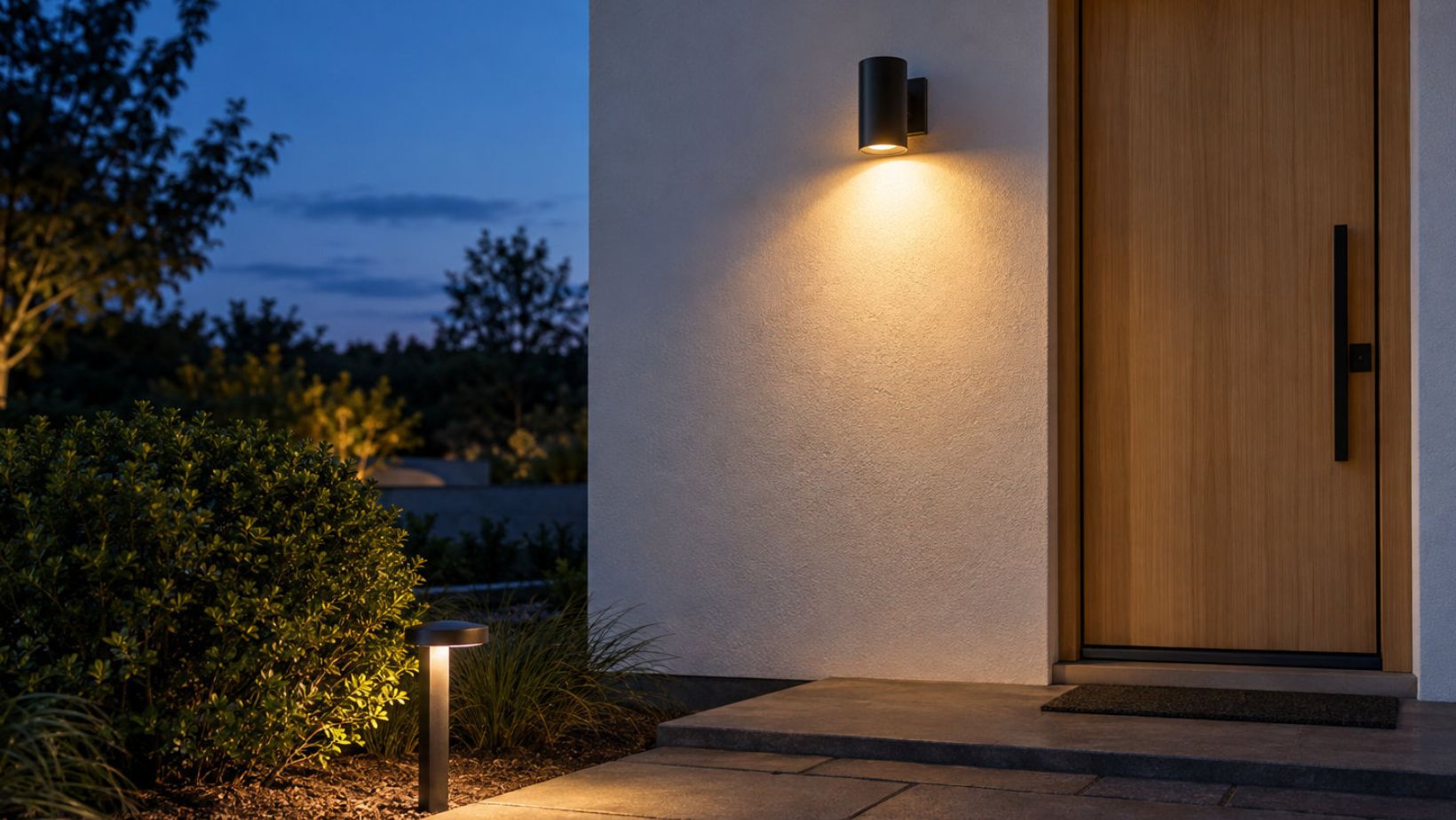
The appearance of your home after sunset plays a crucial role in shaping first impressions. Thoughtful lighting design enhances architectural features, highlights landscaping, and ensures safe entry for residents and guests. Exterior illumination not only elevates the atmosphere but also adds practicality to your property.
The way your home appears after dark often determines how it is perceived from the street. Premium exterior lighting, when chosen with intention, can accentuate key elements of your property while improving safety and function. Homeowners increasingly recognize the advantages of lighting schemes that combine aesthetics with practical benefits. A careful lighting plan can transform homes and create a welcoming effect for any visitor. Visual Comfort designs and curates premium decorative and architectural lighting that blends timeless design, craftsmanship, and performance for residential and commercial spaces. For those interested in additional options, see visualcomfort.com/uk.
Design principles that define attractive lighting
Achieving visual harmony outdoors relies on balance, symmetry, and the careful scaling of light sources. Overlighting can flatten features and overwhelm, so the most effective approach is to use restraint and strategic placement of fixtures. Soft, layered lighting provides subtle depth and avoids harsh contrasts on your facade.
Consistency in fixture style and finish helps unify the overall look, linking various architectural and landscape elements together. Planning your lighting layout with a sense of proportion ensures highlights fall exactly where they enhance rather than distract. Using high-quality lighting in moderation prevents glare and creates an inviting yet functional environment.
Another critical design principle involves understanding the color temperature of your lighting choices. Warmer tones, typically ranging from 2700K to 3000K, create an inviting and comfortable atmosphere that complements most residential exteriors. Cooler temperatures may appear stark or clinical, potentially detracting from the welcoming ambiance you wish to create. Additionally, considering the beam angle and spread of light ensures that illumination reaches intended surfaces without creating unwanted shadows or dark pockets. Thoughtful attention to these technical details, combined with artistic placement, results in a cohesive lighting design that enhances your home’s character throughout the evening hours.
Prioritizing entryways and architectural features
Your front entrance sets the tone for arriving guests and residents alike. Light at the entry, porch, and steps should prioritize visibility, helping guide people safely while making the front door a welcoming focal point. Fixtures flanking the entrance or set above doorways emphasize symmetry and add definition, marking clear access points even at night.
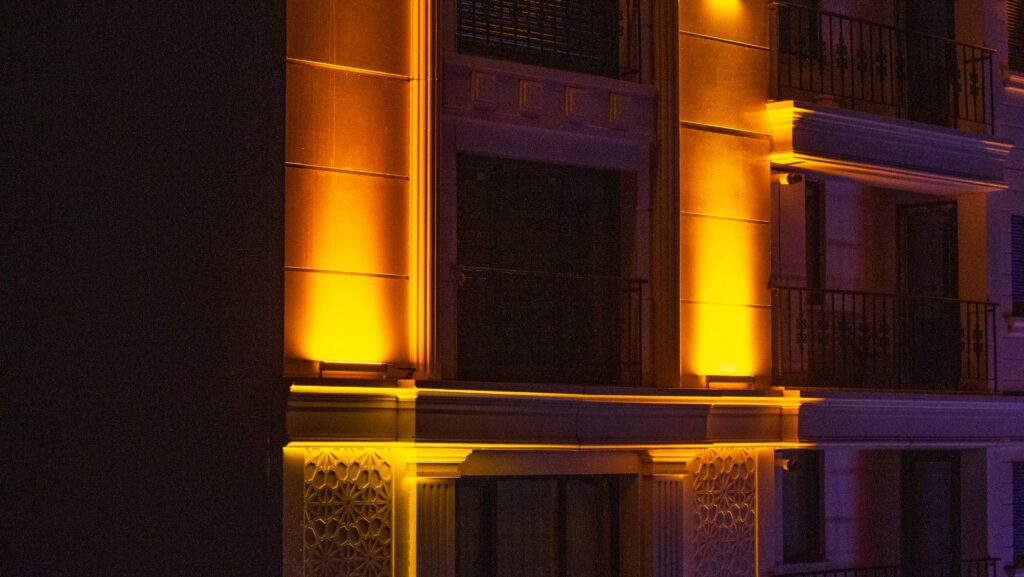
Integrated lighting can also enhance key architectural features, such as columns, stonework, or detailed brick. Wall-mounted fixtures, subtle uplights, and softly glowing sconces highlight textures and shapes, ensuring these design elements remain prominent after sunset. The use of layered direct and indirect light around these areas often results in an appealing look. Visual Comfort offers products that can achieve this effect while supporting both decorative and functional goals.
Paths, driveways, and landscape accenting
Clear, comfortable movement around your property relies on well-placed lighting along paths and driveways. Consistent fixture spacing and shielded designs ensure guidance without uncomfortable glare or spill into windows. Low-level bollard or recessed lighting can mark routes while blending with the environment.
Landscape lighting brings gardens and outdoor features to life by adding dimension and interest. Strategically placed spotlights, washes, and in-ground lights can accent trees, shrubs, or flower beds while maintaining a natural look. The goal is to enhance shapes and textures without drawing undue attention to the lights themselves or flooding the yard with excessive brightness.
Outdoor living spaces and practical choices
Extending usable time outside means considering lighting for patios, seating areas, and exterior dining spaces. Warm-toned, glare-free illumination helps these zones feel cozy and relaxing, blending seamlessly with surrounding garden or facade lights. Layered lights, such as wall sconces paired with downlights, improve comfort for socializing or unwinding after dark.
Practical factors should always influence fixture selection. Weather-rated construction and durable materials ensure reliability in changing conditions. Choosing a cohesive light color across all fittings ties the scheme together visually, while features like photocells, timers, or motion sensors keep lighting efficient and predictable without manual effort, helping you maintain an attractive exterior appearance consistently.
About Author