
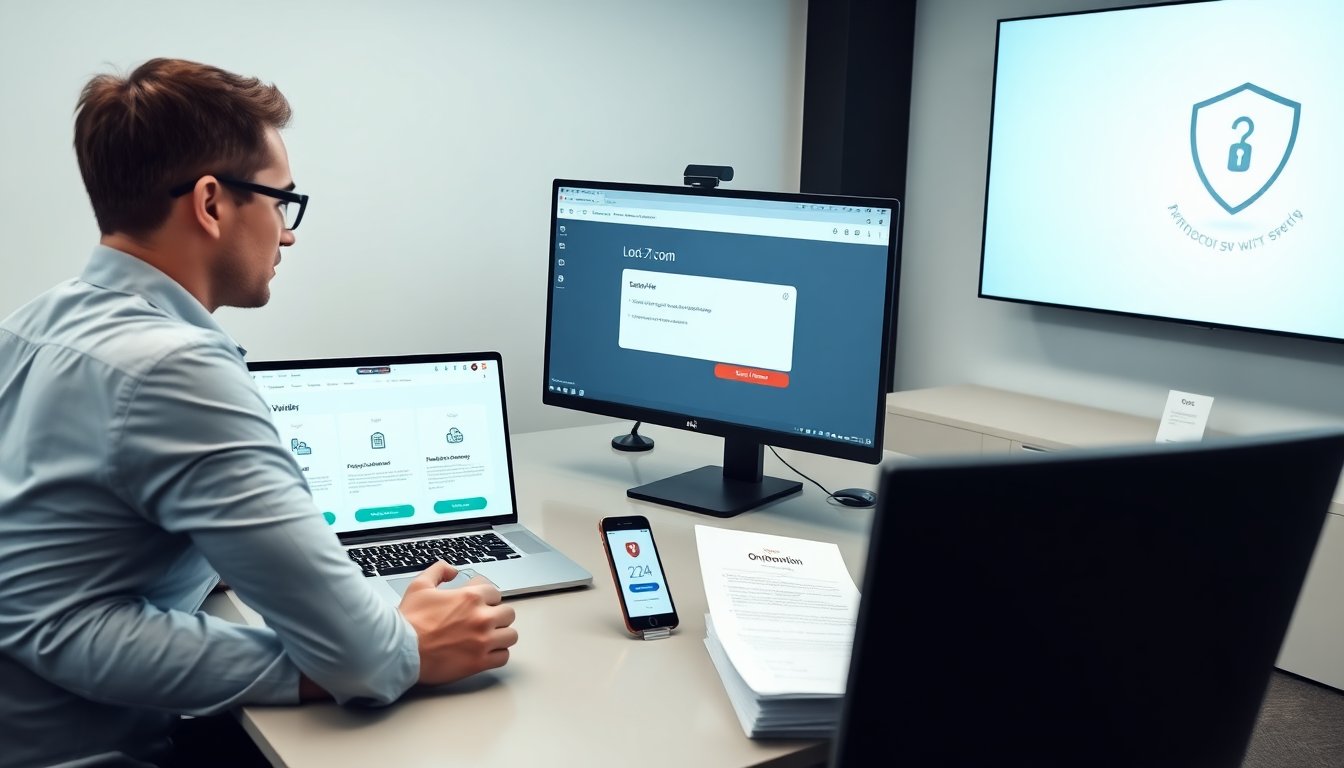
Lock–7.com offers online security tools and related services. This review explains what the site does, how it protects data, and how users start. It says who should consider the site and what to watch for. The goal is clear: give practical facts that help readers decide quickly.
Key Takeaways
- Lock–7.com offers comprehensive security tools including password management, two-factor authentication, and secure file storage tailored for individuals and small teams.
- The platform supports cross-device use with desktop clients, browser extensions, and mobile apps, ensuring convenient access and secure credential storage.
- Users should start by creating an account, setting a strong master password, enabling two-factor authentication, and organizing passwords into vaults or folders.
- Free plans cover basic needs for individuals, while paid subscriptions provide advanced features like team management, audit logs, and priority support, offering scalable options.
- Lock–7.com’s clear interface and setup wizard simplify navigation and onboarding, but users with accessibility needs should test compatibility before committing.
- Before subscribing, it is important to verify integration compatibility, data export options, and understand refund policies to ensure the service meets specific security requirements.
What Is Lock–7.com? Quick Overview And Core Purpose
lock–7.com is a website that provides security tools, account protection, and access control services. It focuses on password management, two-factor authentication, and secure file storage. The site serves small businesses, freelancers, and privacy-aware individuals. It lists clear feature pages and basic guides. It sells subscription plans and offers a free tier with limited features. It links to support and setup help. It states compliance claims and shows an address and contact form. Readers should treat those claims as part of the site description, not as a guarantee of safety.
Key Features And Services Offered On Lock–7.com
lock–7.com provides password vaults, authentication apps, and encrypted backup. It offers browser extensions and a desktop client. It supports secure sharing and team accounts. It lists audit logs, user roles, and recovery options for lost access. It advertises integrations with common productivity tools. It also offers a status page and API access for developers. The site shows feature comparisons for plans and a FAQ section that covers limits and common errors. Potential users should check integration compatibility and data export options before they subscribe.
User Experience And Navigation: How The Site Feels To Use
lock–7.com uses a clear layout and direct labels. The main menu shows Products, Pricing, Docs, and Support. Pages load quickly and the design uses plain icons and short headings. The dashboard shows key actions like add item, invite user, and view logs. Tooltips explain fields in simple terms. The setup wizard guides new accounts through core steps. Error messages show short instructions and links to help pages. Overall, the site keeps interaction simple and predictable. Users with accessibility needs should test keyboard navigation and screen reader output before they commit.
Pricing, Plans, And Overall Value
lock–7.com shows tiered plans with monthly and annual billing. The free tier covers basic password saving and single-device sync. Paid tiers add team seats, shared folders, and priority support. The site lists per-user pricing and discounts for larger teams. It also offers an enterprise option with on-premises deployment and service-level agreements. Refund and cancellation policies appear on the billing page. Value depends on the user need: individuals may find the free tier enough, while teams benefit from admin controls and logs. Buyers should compare features and test the free plan before they pay.
How To Get Started With Lock–7.com: Step‑By‑Step Setup
Create an account on lock–7.com and confirm email. Download the desktop client or mobile app as needed. Install the browser extension to save credentials. Choose a master password and store a recovery key offline. Add first items and organize them into folders or vaults. Invite team members and assign roles if they need access. Enable two-factor authentication and biometric unlock on devices. Set up automatic backups and export settings if they need local copies. Test restore and recovery steps once they finish setup. They should keep their master password secret and update it if they suspect a breach.
About Author


