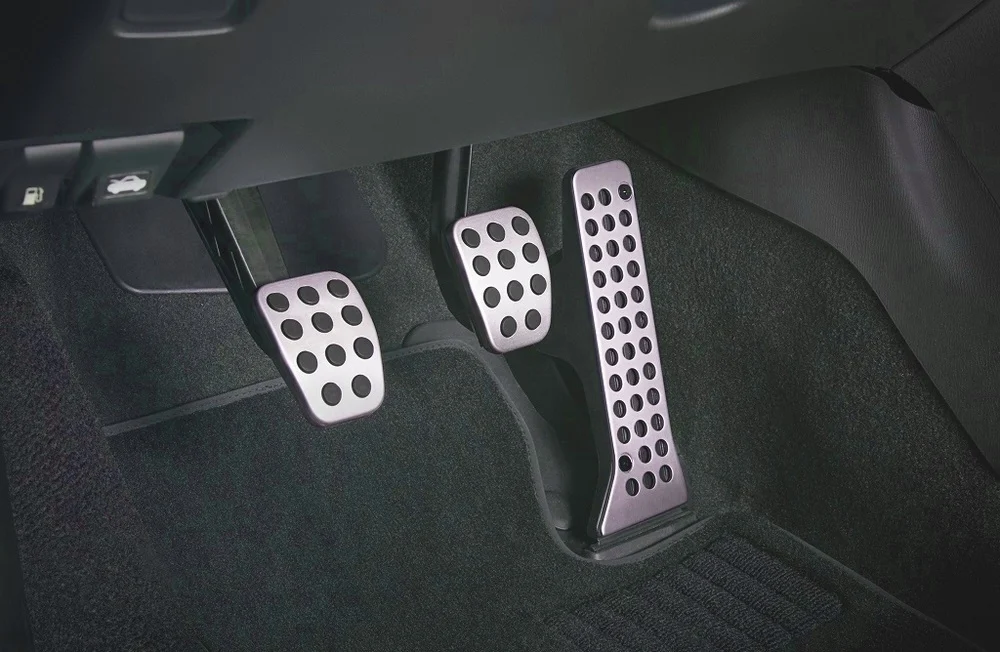
There’s a moment every driver knows — that split second when power transfers from engine to wheels and everything either clicks into place or doesn’t. It’s not dramatic. It’s not visible. But it’s everything. Behind that seamless moment is engineering that most people never think about, and that’s exactly how it should be when it’s done right.
Why the Clutch Is the Heart of the Drivetrain
Ask most people what makes a vehicle perform well, and they’ll talk about horsepower, torque, or suspension. Rarely does anyone mention the clutch — yet it’s the component that makes all of that power actually usable. Experts find that precision clutch components are the unsung heroes of modern drivetrain engineering, translating raw engine output into controlled, smooth, repeatable motion. Whether you’re talking about a high-performance sports car, a heavy-duty commercial truck, or an industrial machine operating on a factory floor, the clutch is where control lives.
What “Advanced” Really Means
The word “advanced” gets thrown around a lot in manufacturing and engineering circles. But when it comes to clutch solutions, it means something specific. Advanced clutch technology encompasses:
- Tighter tolerances — components machined to fractions of a millimeter for consistent engagement every time
- Superior materials — friction materials engineered for heat resistance, longevity, and predictable wear patterns
- Intelligent design — geometry and spring tension calibrated to match specific load profiles and usage cycles
- Adaptive performance — clutch systems that behave consistently whether they’re cold on a Monday morning or hot after hours of operation
This isn’t an incremental improvement. It’s a fundamentally different approach to how force is managed and transferred.
The Real Cost of Getting It Wrong
Here’s something worth sitting with: a clutch failure doesn’t just inconvenience you — it cascades. When engagement is inconsistent or slippage occurs under load, you’re not just losing efficiency. You’re accelerating wear on adjacent components, risking damage to transmissions and driveshafts, and creating unpredictable handling that puts operators at risk.
In commercial and industrial applications, the stakes climb even higher. Downtime is expensive. Unexpected maintenance breaks schedules, frustrates customers, and eats into margins. A clutch that fails early isn’t just a parts problem — it’s a business problem.
Where Precision Pays Off
Advanced clutch solutions earn their value across a surprisingly wide range of applications:
- Motorsport and performance vehicles, where engagement feel and consistency directly impact lap times and driver confidence
- Agricultural and construction equipment, where high-torque, high-cycle-count demands push components to their limits daily
- Industrial machinery, where precise torque control means the difference between a clean process and a costly error
- Commercial transport, where longevity and reliability over hundreds of thousands of miles is non-negotiable
Choosing the Right Partner
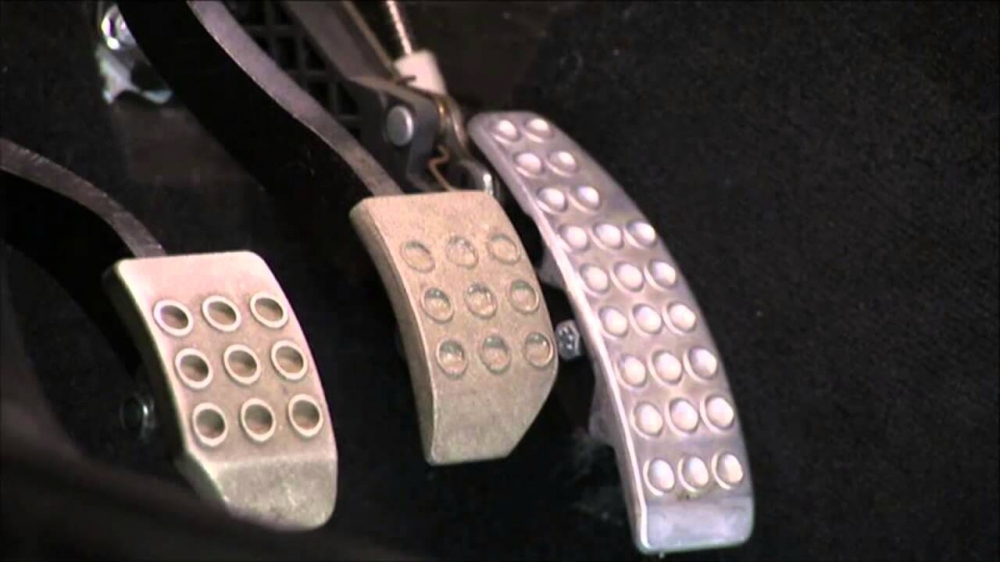
Not all clutch solutions are created equal, and not all suppliers understand the nuances of your application. The right partner brings more than a parts catalog — they bring application engineering expertise, material science knowledge, and a genuine interest in solving your specific problem rather than just filling an order.
Look for manufacturers who invest in testing, back their products with real performance data, and can speak to failure modes and edge cases with authority. That depth of knowledge is what separates a vendor from a true solutions partner.
The Bottom Line
Control isn’t accidental. It’s engineered. And at the center of that engineering, in vehicle after vehicle and machine after machine, is a clutch doing its job with quiet precision. When you invest in advanced clutch solutions, you’re not just buying a part — you’re buying confidence in every engagement, every shift, and every mile ahead.
About Author