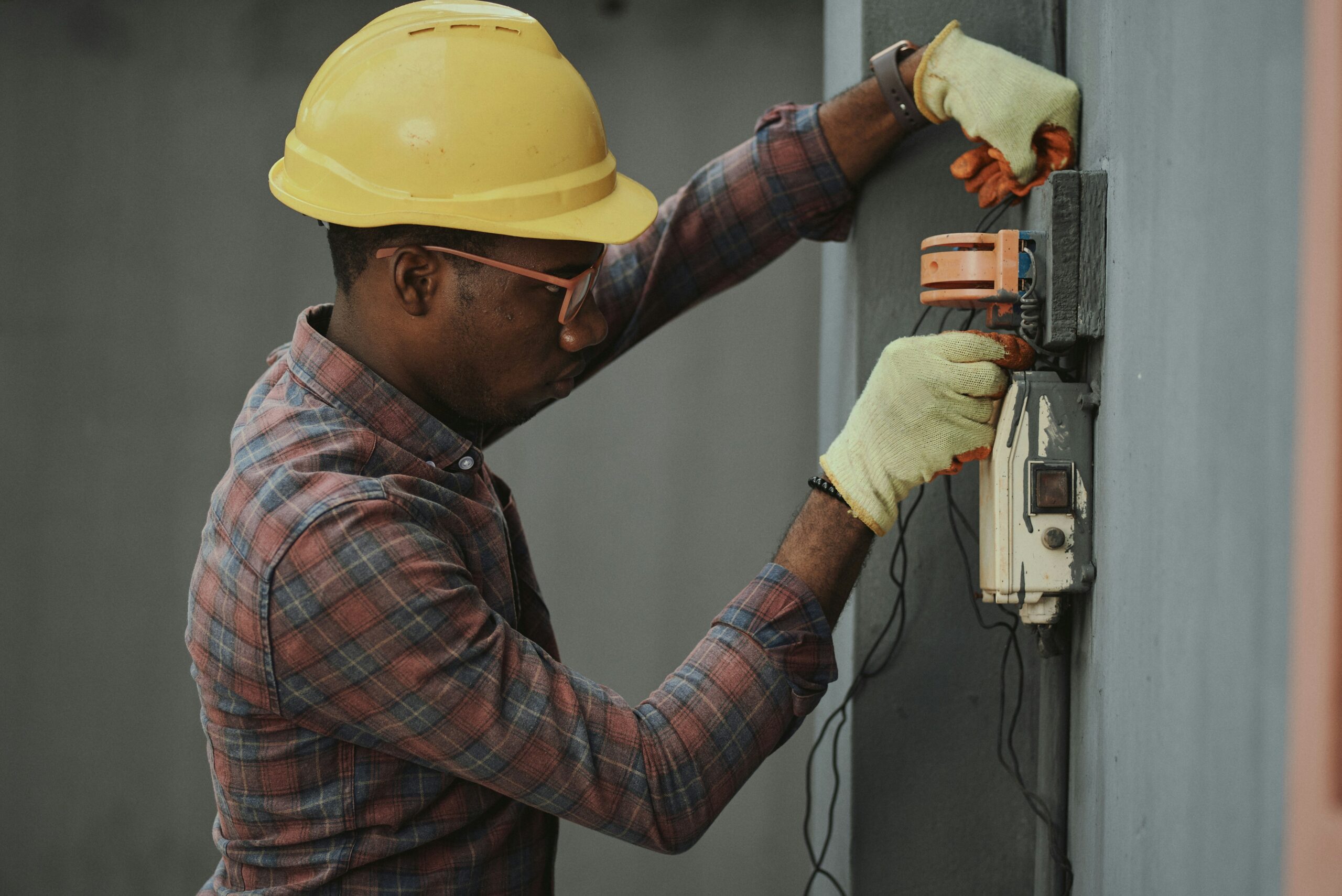
Repetitive cutting is unavoidable in electrical, electronics and precision trade work, but the physical toll it takes is largely determined by the tools you use. Strain builds when excessive force, awkward wrist angles and inefficient cutting actions are repeated across hundreds of cycles in a day. Purpose-built cutters are designed to convert hand movement into clean cutting performance with minimal effort, allowing you to maintain accuracy without overloading your joints. When the correct tool is matched to the task, fatigue drops, control improves and long-term hand health is better protected.
High-Leverage End Cutters For Flush Work
High-leverage end cutters are engineered for tasks that require close, controlled cuts without repeated squeezing. Their high-leverage pivot geometry multiplies force at the cutting edge, allowing you to cut through copper, cable ties and fine wire using less hand pressure. This is particularly useful in assembly and termination work where repetitive flush cuts are common.
In precision environments, technicians often turn to compact, high-performance options such as Knipex nippers for precision cutting and gripping because the cutting efficiency comes from the tool’s mechanical design rather than operator strength. That reduction in required force becomes critical over long production runs.
Spring-Loaded Side Cutters For Continuous Use
Side cutters fitted with return spring mechanisms are one of the most effective ways to reduce fatigue during high-volume cutting. The spring automatically reopens the handles after each cut, removing the need for your hand muscles to perform that action repeatedly.
In wiring and loom preparation, where the motion is constant and fast, this feature keeps the hand in a relaxed rhythm. Over time, the reduced muscular effort significantly lowers the risk of repetitive strain injury (RSI) while also improving cutting speed.
Ergonomic Diagonal Cutters For Electrical Work
Diagonal cutters with ergonomic multi-component grips are designed for long-duration use in panel building and installation work. The handle shape supports a neutral wrist position and spreads pressure across the palm instead of the fingers.
This becomes important when working with tougher conductors or when cutting at awkward angles. By maintaining alignment between the wrist and forearm, these cutters reduce tendon stress and allow more controlled, repeatable movements throughout the day.
Compact Precision Cutters For Confined Spaces
In control cabinets, PCBs and densely populated assemblies, access is often the main cause of strain. Compact precision cutters with a slim head profile allow you to cut close to the work without twisting your wrist into uncomfortable positions.
Better access means fewer repositioning movements and improved visibility at the cutting point. This not only reduces fatigue but also prevents over-gripping, which commonly occurs when trying to stabilise a larger tool in a tight space.
Induction-Hardened Cable Cutters For Heavy Conductors
Cutting larger conductors with an undersized tool is one of the fastest ways to overload your hand. Cable cutters made from induction-hardened tool steel are designed to shear through thicker materials cleanly in a single motion.
Because the cutting edges remain sharp for longer and the joint movement stays smooth, you avoid the repeated squeezing and rocking motion that causes cumulative strain. The tool does the work, not your grip strength.
Built To Maintain Smooth Joint Movement
Cutters with box-joint construction and precision-ground pivots maintain alignment even after extended trade use. A stable joint prevents energy loss through flex and keeps the cutting action consistent.
For technicians performing hundreds of cuts per shift, this consistency is what keeps effort levels predictable. You are not compensating for stiffness, misalignment or declining sharpness, which are all hidden sources of fatigue.
The Right Cutter Makes Repetition Sustainable
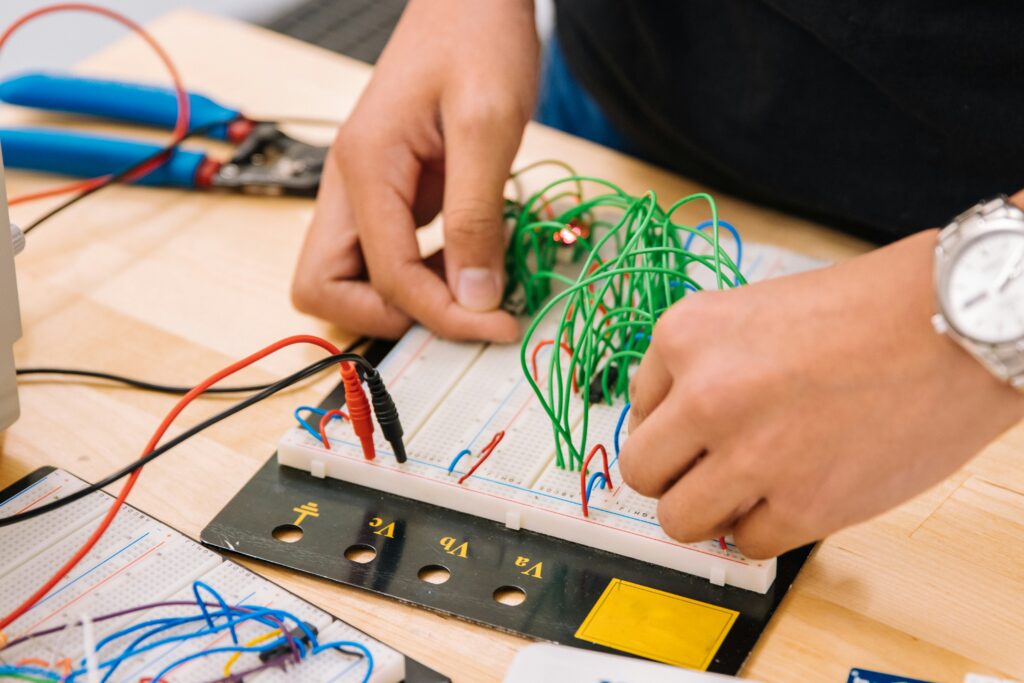
Strain in repetitive cutting is reduced when the tool matches the task, the material and the working environment. High-leverage end cutters, spring-loaded side cutters, ergonomic diagonals, compact precision cutters and properly rated cable cutters all remove unnecessary physical load from the user. By relying on mechanical efficiency instead of hand force, you maintain accuracy, increase productivity and protect your hands over the long term.
About Author