Because varicose veins can range from a mild cosmetic concern to a source of persistent pain, swelling, and long-term complications, choosing the right specialist in varicose vein removal and treatment matters more than most people realize. Experienced providers, such as those at Metro Vein Centers, focus on accurate diagnosis, minimally invasive treatment options, and individualized care plans that directly influence outcomes, recovery time, and long-term venous health. Understanding what a varicose vein specialist does, the types of clinicians who treat venous disease, and how modern diagnostic and treatment pathways work allows patients to compare providers more effectively and select care that aligns with their comfort, lifestyle, and health goals.
What A Varicose Vein Specialist Does
A specialist in varicose vein removal and treatment focuses on diagnosing and managing superficial and chronic venous disorders. Their role blends clinical assessment, imaging interpretation, and procedural skills. Key responsibilities include:
- Evaluating symptoms and risk factors such as family history, pregnancy, occupation (long-standing/sitting), and prior clotting events.
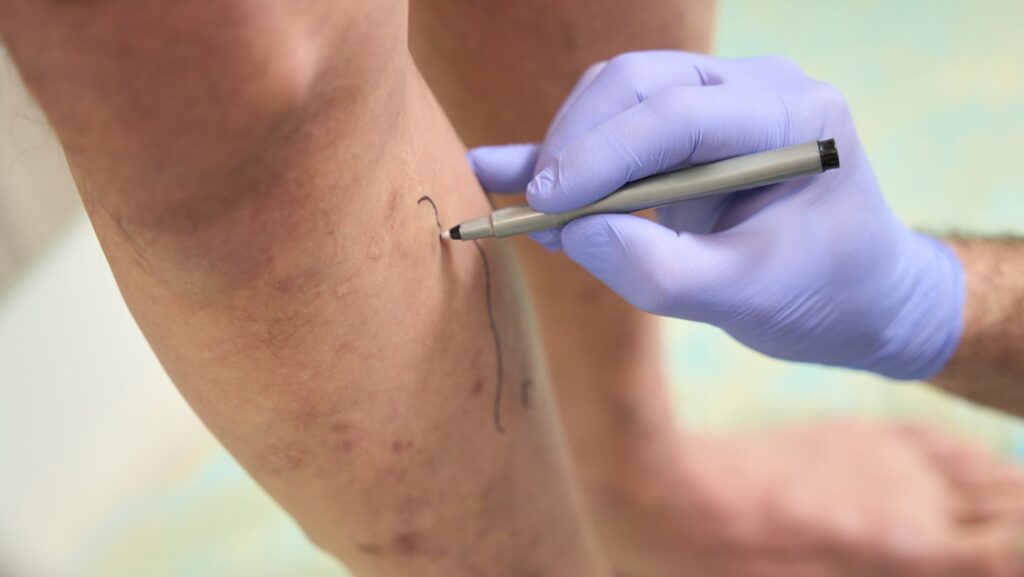
- Using duplex ultrasound to map refluxing veins and to distinguish between superficial, perforator, and deep venous disease.
- Offering a spectrum of treatments: conservative measures, minimally invasive procedures, and surgery when necessary.
- Counseling patients about expected outcomes, recurrence risk, and lifestyle measures to support venous health.
Beyond technical care, experienced specialists prioritize patient-centered goals: some people seek relief from aching and swelling, others want cosmetic improvement. A skilled clinician tailors the plan accordingly and explains trade-offs like downtime versus durability.
Types of Specialists Who Treat Varicose Veins
Different clinicians treat varicose veins: each brings distinct training and perspectives. Understanding the differences helps patients choose the right provider.
Phlebologists and Vein Specialists
Phlebology is a subspecialty devoted to venous disease. Phlebologists may come from cardiology, internal medicine, dermatology, or surgery and pursue focused training in vein care, ultrasound, and minimally invasive therapies. They typically excel at office-based treatments like sclerotherapy and ambulatory phlebectomy and emphasize cosmetic outcomes alongside symptom relief.
Interventional Radiologists and Dermatologists
Interventional radiologists bring image-guided expertise to endovenous ablation and complex vein interventions, particularly when advanced catheter techniques or embolization are needed. Dermatologists, especially those with cosmetic and procedural training, frequently offer sclerotherapy and surface laser treatments focused on skin-level veins and aesthetic results. Collaboration among these specialists often yields the best outcomes for multifaceted cases.
When to See a Specialist
Not all spider veins require specialist care, but certain signs and symptoms indicate the need for evaluation.
Common Symptoms and Complications to Watch For
- Aching, throbbing, or heavy sensation in the legs that worsens with prolonged standing.
- Visible bulging, twisted veins that are tender or bleed after minor trauma.
- Leg swelling, skin discoloration (hyperpigmentation), or persistent itching around affected veins.
- Venous stasis dermatitis or nonhealing ulcers near the ankle, these require prompt specialist attention.
- Sudden, severe pain, warmth, swelling, and redness may suggest deep vein thrombosis (DVT): emergency evaluation is essential.
Who Benefits from Cosmetic versus Medical Treatment
Patients whose primary concern is appearance may opt for sclerotherapy, surface laser, or microphlebectomy offered in-office with minimal downtime. Conversely, those with symptoms, pain, edema, or skin changes benefit from a medical-first approach: identifying reflux or deep venous issues and treating the underlying cause. A specialist distinguishes cosmetic procedures from medically necessary interventions and recommends the sequence of care that reduces recurrence risk.
Diagnosis and Initial Evaluation
Accurate diagnosis begins with history and physical exam and relies heavily on imaging to map venous anatomy.
Clinical Exam and Medical History
During the initial visit, the specialist reviews symptom patterns, family and medical history (including prior clots or surgery), pregnancy history, and medications. A focused physical exam looks for palpable cords, varicosities with and without standing, skin changes, and ulcerations. This clinical information directs the choice of diagnostic tests.
Ultrasound (Doppler) and Other Diagnostic Tests
Duplex ultrasound is the gold standard for venous evaluation. It assesses valve competence, measures reflux, and maps connections between surface and deep veins. In select cases, venography or MR venography helps evaluate complex pelvic or deep venous disease. Blood tests or duplex for suspected DVT may be ordered when clot risk exists.
What to Expect at Your First Consultation
Patients should anticipate a review of their history, a standing examination, and an ultrasound, often performed the same day. The specialist discusses findings, presents treatment options with expected benefits and risks, and outlines a timeline and cost estimate. Good consultations include photos for documentation and a clear follow-up plan.
Treatment Options Explained
Treatment is individualized based on vein size, reflux pattern, symptoms, and cosmetic goals. Modern practice favors minimally invasive, office-based therapies with faster recovery and durable results.
Conservative and Medical Management (Compression, Lifestyle, Meds)
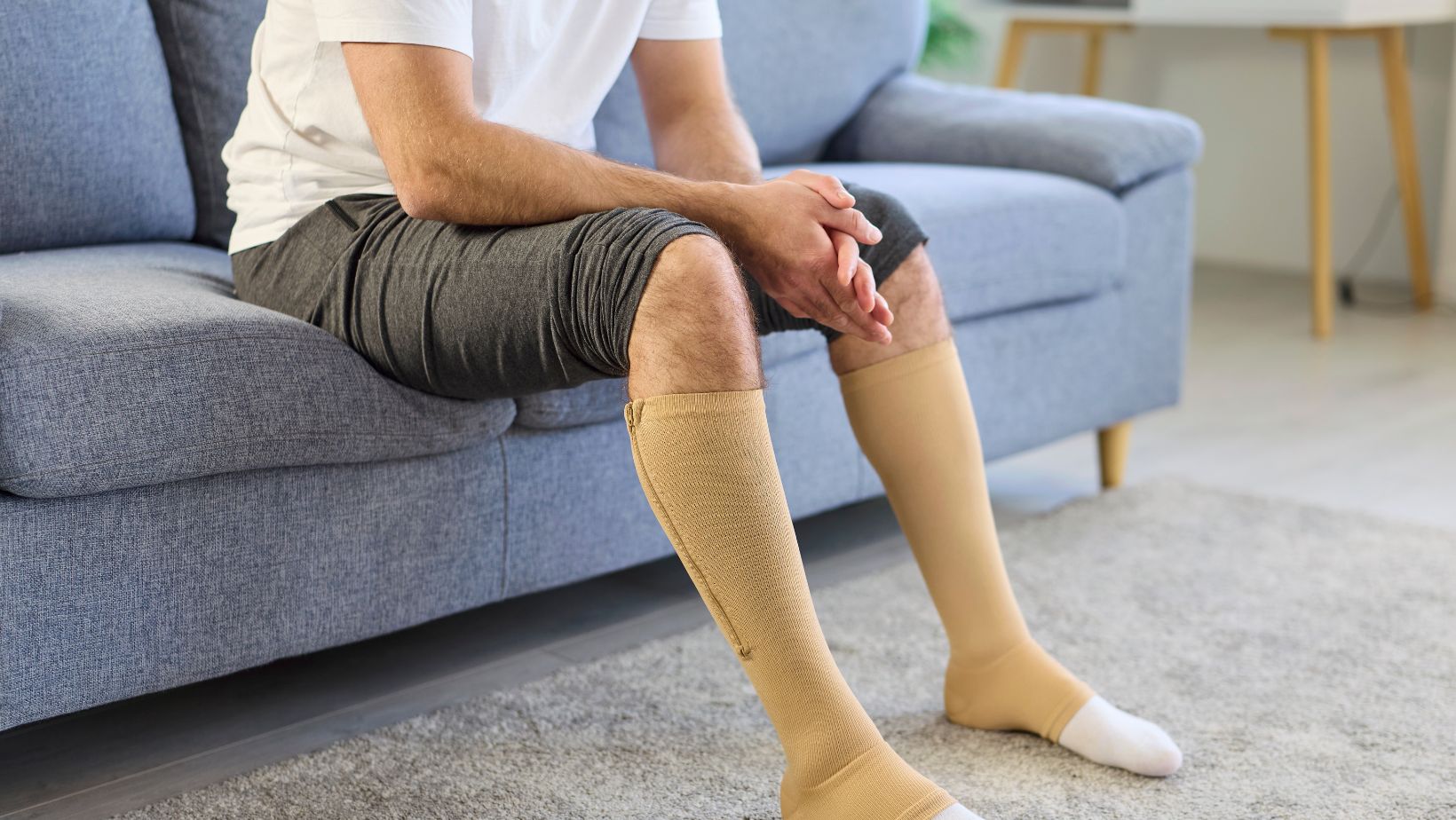
Conservative measures remain foundational. Graduated compression stockings reduce symptoms and slow progression, but don’t eliminate varicosities. Lifestyle advice, weight management, leg elevation, exercise, and avoiding prolonged standing support venous return. Medications such as venoactive agents may help symptom control but are adjuncts rather than definitive treatments.
Minimally Invasive Procedures (Sclerotherapy, Endovenous Ablation, Glue)
- Sclerotherapy: Injection of a solution or foam into affected veins, causing collapse and resorption: ideal for small to medium veins and spider veins. Multiple sessions may be needed.
- Endovenous thermal ablation (radiofrequency or laser): A catheter delivers energy to seal an incompetent saphenous vein; it treats the source of reflux and prevents recurrence in tributaries.
- Nonthermal options (cyanoacrylate glue, mechanochemical ablation): These seal veins without heat, reducing nerve-related complications and often allowing immediate return to activities.
These procedures are usually performed under local anesthesia in an outpatient setting with ultrasound guidance, and they offer high success rates with a short recovery.
Office Phlebectomy and Laser Treatments
Ambulatory or microphlebectomy physically removes superficial bulging veins through tiny incisions and provides immediate cosmetic improvement. Transdermal or endovenous laser ablation can address both surface and deeper veins: dermatologic lasers also treat residual spider veins and redness.
How to Choose the Right Specialist For You
Selecting the appropriate clinician combines objective credentials and subjective fit.
Credentials, Experience, and Board Certification to Look For
Look for board certification relevant to vascular medicine or surgery (e.g., vascular surgery boards, interventional radiology certification) and fellowship training in vascular or endovascular procedures. Phlebology certifications and active membership in professional societies signal focused expertise. Ask about the volume of procedures performed, their complication and success rates, and request before-and-after photos of similar cases.
Questions to Ask During Your Consultation
- What is the root cause of my varicose veins, and which treatment do you recommend?
- How many of these procedures have you performed, and what are your complication rates?
- What’s the expected recovery timeline and likelihood of recurrence?
- Will the ultrasound mapping be done by you, and can I receive a copy?
- What are the alternatives if the first treatment doesn’t fully work?
These questions reveal a clinician’s transparency and attention to individualized care.
Insurance, Costs, and Referral Considerations
Medical necessity, symptoms such as pain, ulceration, or recurrent thrombophlebitis, often qualify for insurance coverage: cosmetic procedures typically do not. Patients should obtain a preauthorization when appropriate and request an itemized estimate. Referrals from primary care clinicians, wound centers, or trusted specialists can streamline care: independent second opinions are reasonable when recommended interventions involve more invasive measures.
Preparing for Treatment and Recovery Expectations
Preparation and realistic expectations improve outcomes.
Preprocedure Planning and Lifestyle Preparations
Preprocedure steps usually include stopping certain medications (like anticoagulants) under physician guidance, arranging transport for the day of a more sedating procedure, and obtaining compression stockings. Smoking cessation and weight optimization improve healing. Clear communication about allergies, prior reactions, and clotting history is essential.
Typical Recovery Timelines, Aftercare, and Complication Signs
Most minimally invasive treatments allow patients to walk the same day and return to work within a day or two. Compression stockings are often recommended for one to two weeks. Common short-term effects include bruising, mild tightness, and temporary numbness. Watch for signs of infection (increasing redness, fever), persistent severe pain, or calf swelling that could indicate DVT: these require prompt medical attention. Specialists provide tailored aftercare instructions and follow-up ultrasounds when indicated to confirm vein closure.
Conclusion
A specialist in varicose vein removal and treatment combines diagnostic skill and procedural expertise to address both symptoms and cosmetic concerns. Patients obtain the best outcomes when they choose a clinician with relevant credentials, solid experience in the recommended technique, and transparent discussion of risks, costs, and recovery. Whether someone needs simple sclerotherapy or complex venous reconstruction, an informed choice of specialist accelerates recovery, minimizes recurrence, and improves quality of life.
About Author