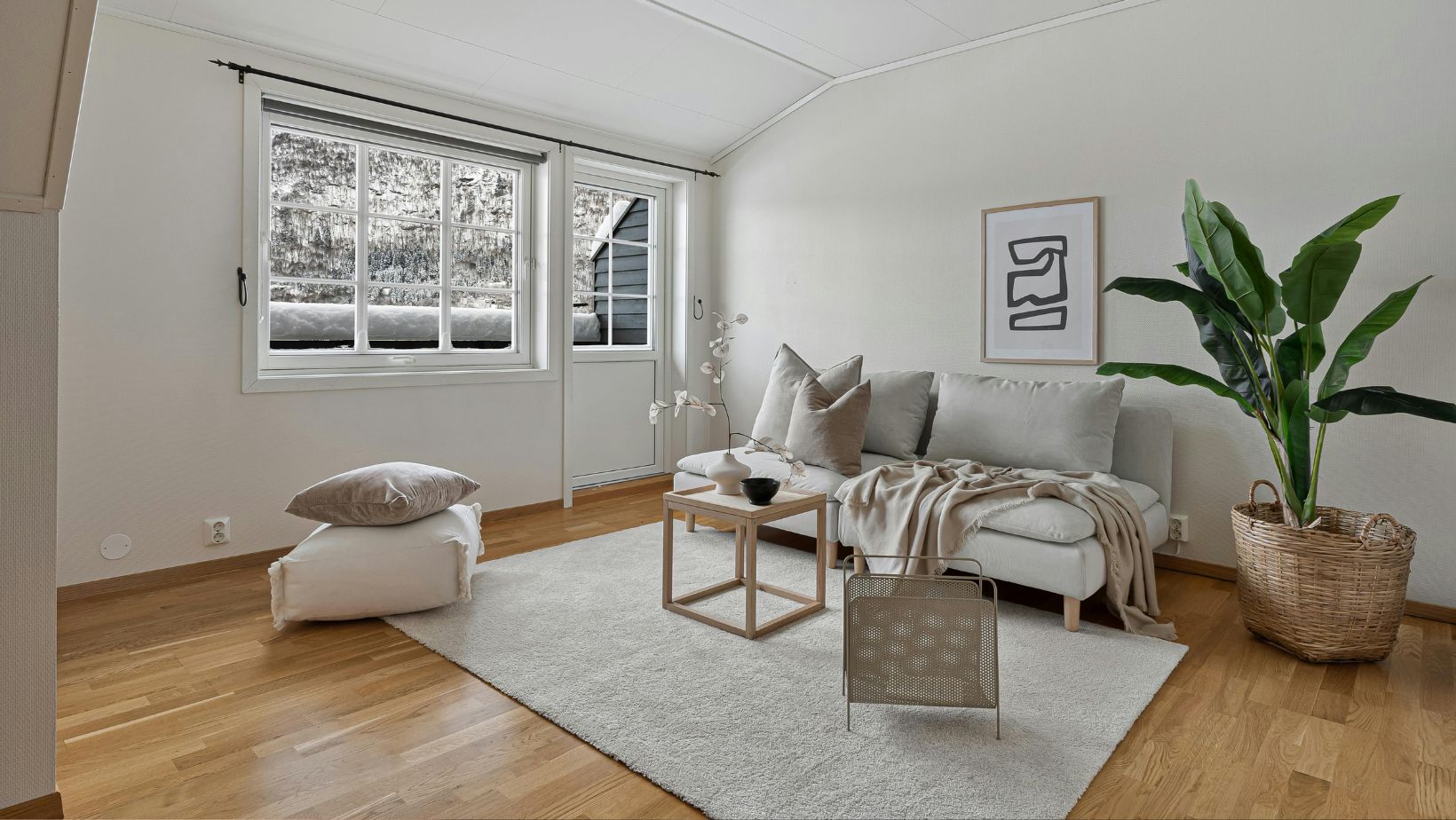
In a world increasingly dominated by technology and man-made spaces, more homeowners are turning inward—toward the serenity and authenticity of nature. Incorporating nature into your home design is more than a style choice; it’s a way of boosting mental well-being, reducing stress, and creating an environment that is grounded, peaceful, and alive. Through architectural designs and interior approaches, nature has always played an essential role. Now, with the help of thoughtful materials, light, texture, and form, it is feasible to turn any interior into a subtle celebration of the outdoors.
Scandinavian Simplicity
One of the most common methods of modern interior design is the Scandinavian style, and its roots in nature are undeniable. The style celebrates simplicity without sacrificing warmth. Scandinavian homes are prone to light-hued wood flooring, white or light-colored walls, and massive windows that allow natural light to pour in. There’s a sense of restrained minimalism that is never cold. Instead, it embraces cozy textiles, plants, and natural materials like wool, cotton, and unfinished wood. The goal is to take the landscape outdoors—whether a winter forest or summer meadow—and move it straight into your living room.
Japanese Zen Harmony
Japanese interiors offer another organic design perspective, one that relies on mindfulness and the interplay of space and spirit. This aesthetic, which is rooted in Zen philosophy, is all about restraint, balance, and harmony with nature. Spaces tend to be open and uncluttered to allow light and air to flow. Bamboo flooring, tatami mats, stone detailing, and sliding shoji screens made of rice paper contribute to an atmosphere of serenity.
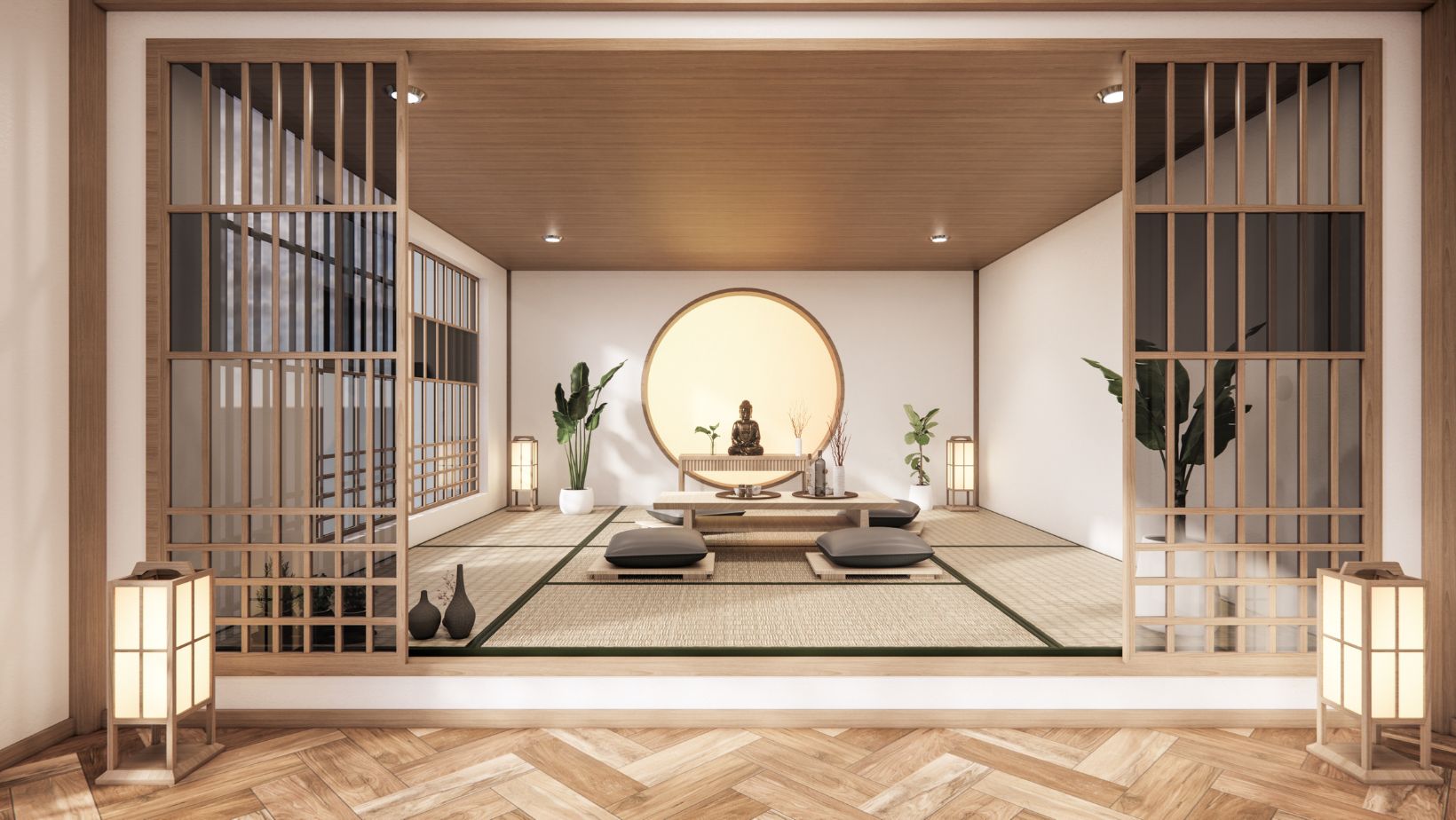
Bonsai or house ferns bring life to these serene spaces, and natural colors of muted green, beige, and gray dominate. It’s less a style—it’s a practice in being present.
Find the Right Style in Your Interior
Of course, not every home fits neatly into one style. One of the greatest advantages of modern interior design is its flexibility—allowing homeowners to blend influences from various traditions to match their personal tastes and regional characteristics. While the Pacific Northwest is known for its lush, forested terrain, the design principles inspired by this environment can travel well beyond its geographic borders. If you’re drawn to natural textures, clean lines, and cozy yet modern spaces, exploring Pacific Northwest interior design ideas can offer valuable inspiration. This style often draws from Northwest Contemporary architecture, known for its asymmetrical layouts, open floor plans, and use of exposed wood and earth tones. Originally rooted in the landscapes of the West Coast, this aesthetic now resonates with homeowners across the country who appreciate the blend of minimalism, warmth, and natural materials. Whether you’re in a mountain cabin, a suburban townhouse, or a city loft, this adaptable style brings comfort, clarity, and a grounded connection to nature—no matter where you live.
Mediterranean Earthiness
Bringing the warmth of the Mediterranean is a celebratory way to welcome the natural world if you like a more colorful scheme. Inspired by the coastal regions of Italy, Greece, and Spain, Mediterranean interiors are usually adorned with stucco walls, terracotta tile floors, arched openings, and wrought-iron details. The color scheme is earthy, with ochre, clay, olive green, and ocean blue being the dominant colors, reminiscent of the sun-baked landscape and sea that define the region. Materials are textured—linen drapes, rough-hewn wood beams, mosaic tiles, and handmade ceramics all work to ground the home in the earth.
Modern Rustic Charm
For those who adore the patina of old-world charm but also enjoy sleek modern lines, the modern rustic design is an attractive amalgam. The style uses organic materials in modern ways, creating a space that feels grounded but au courant. Exposed brick, reclaimed wood, natural stone, and raw metal are all prevalent here.
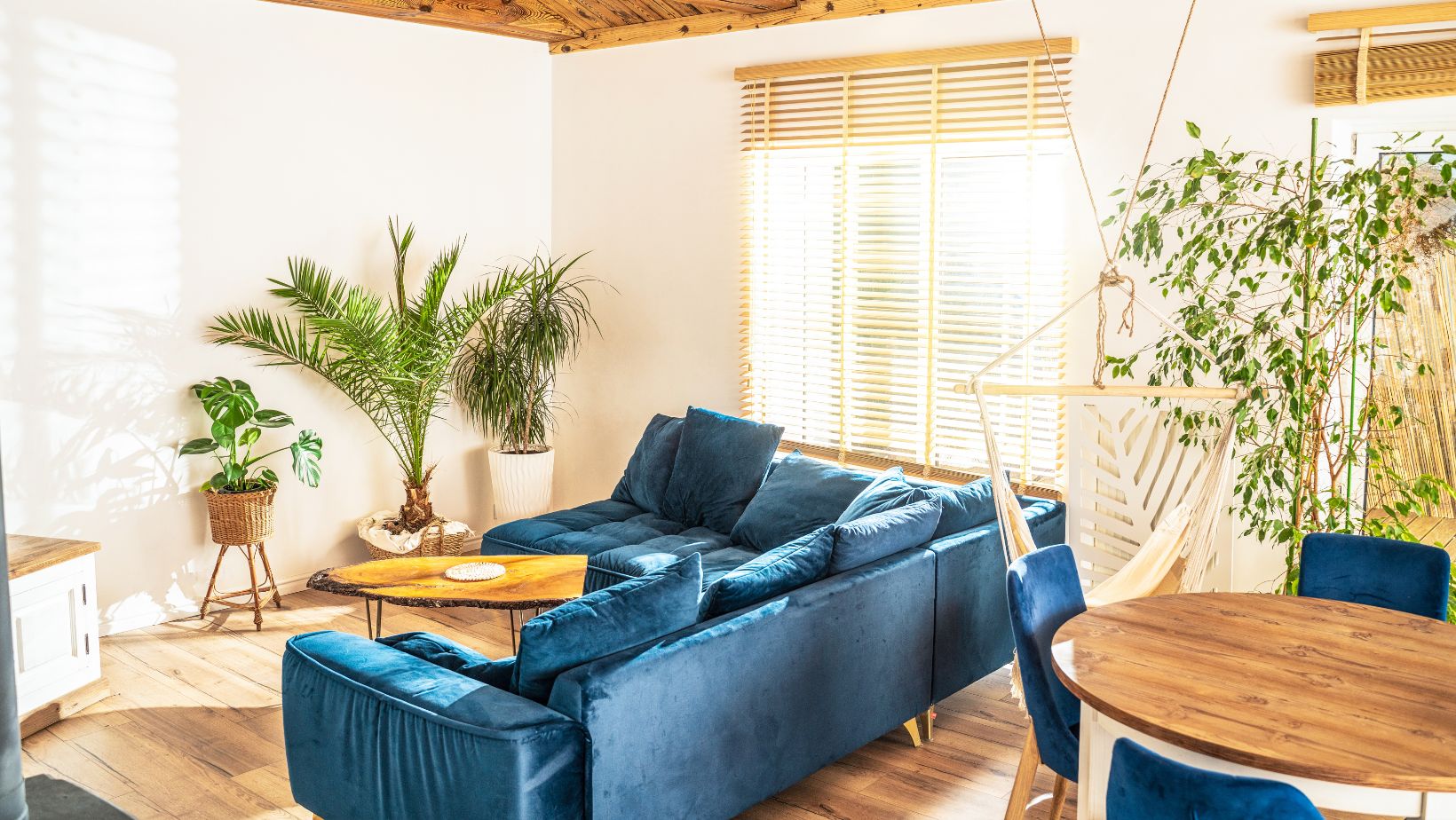
The trick is in layering—pairing a concrete floor with a plush wool rug, for instance, or blending industrial lighting with weathered wood furniture. Large windows that frame the vistas beyond turn into works of art in their own right. It’s a way of letting nature be the star, even in a modern space.
Biophilic Design Principles
More than visual aesthetics, biophilic design is a science-driven design approach that tries to bring the psychological advantages of nature into everyday settings. Biophilic design is all about bringing in natural light, ventilation, and natural forms and textures. Rooms are designed to replicate natural spaces with organic shapes rather than straight lines. Vertical gardens, water bodies, and living walls are common features. Even sounds and scents are considered—think of the tinkle of a fountain or the scent of fresh herbs grown in the kitchen. This is not just design but a multisensory experience that feeds the senses and attunes you more closely to the rhythms of the natural world.
Earth-Centric DIY and Craftsmanship
You don’t need to bring in a designer or remodel your entire home to create a sense of nature indoors. The most personal touches are often the smallest. Handcrafted details made from elements in nature—driftwood sculptures, stone candle holders, or woven wall hangings—can instantly change a room’s mood. Creating a herb garden on a windowsill, preserving flowers between glass frames, or upholstering an old chair with linen or jute fabric are all beautiful ways of bringing the outside in. These small, often handmade details share your narrative and allow your space to reflect not just nature but your own story and connection to it as well.
A Natural Ending
The most inviting homes are those that resonate with authenticity, comfort, and a gentle nod to the world outside. Whether you’re drawn to the meditative calm of a Japanese interior, the rustic elegance of a mountain lodge, or the inviting simplicity of Scandinavian warmth, incorporating nature into your interior is a decision that pays off in beauty and balance. Let your home breathe. Let it evolve with the seasons. Let it be a refuge from the digital noise. Above all, make it a spot where nature isn’t just invited—it’s honored.
About Author